|


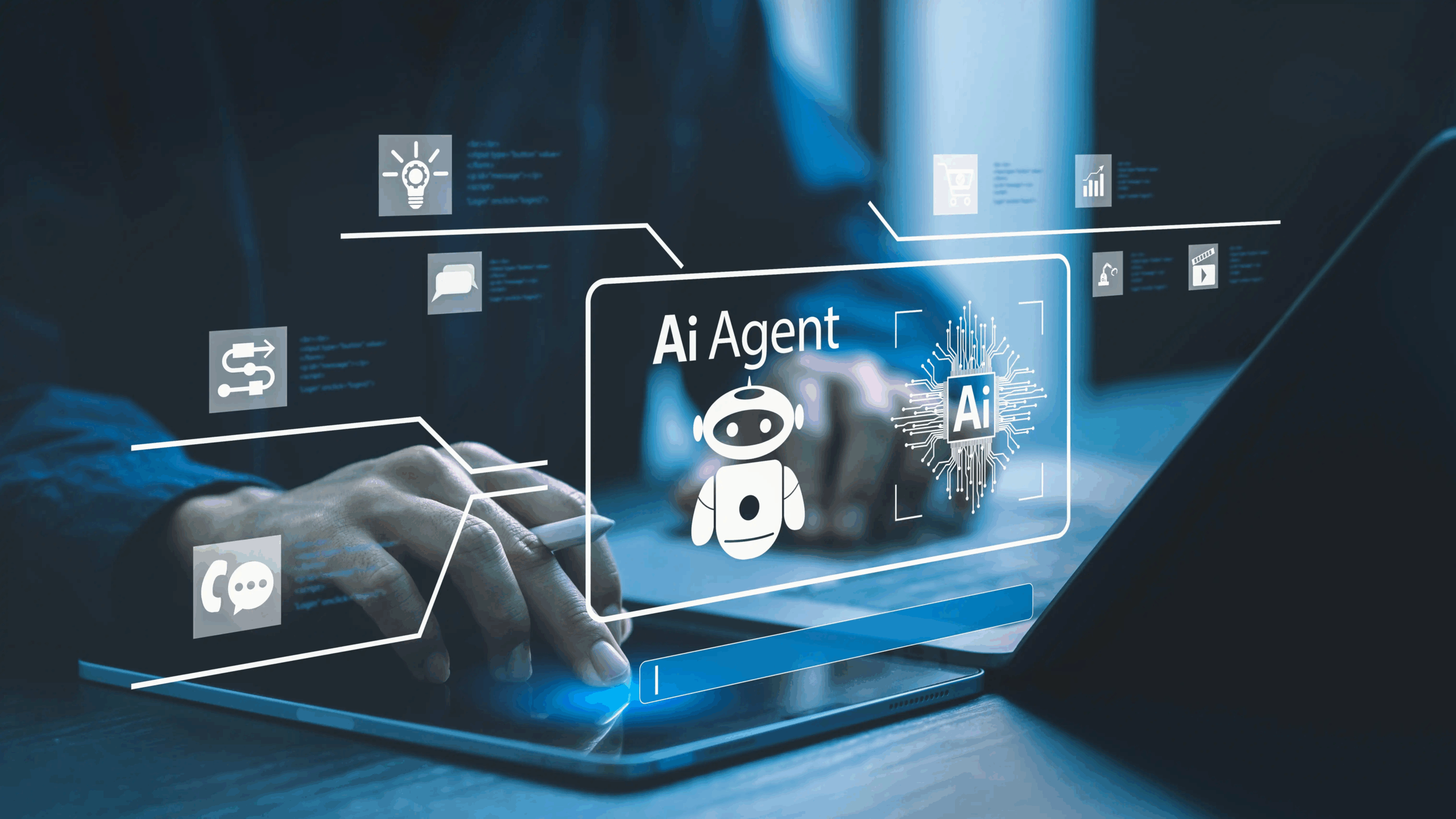
We’ve all heard the hype about AI agents coming to transform the workplace. But here’s what the tech press isn’t telling you: they’re already here, and they’re not doing what you think.
Forget the chatbots and the email assistants. Real agentic workflows are quietly automating entire business processes across Fortune 500 companies right now, handling millions of complex decisions without human oversight. The results are startling.
C.H. Robinson, an $18 billion logistics giant, has deployed over 30 AI agents across its operations. These aren’t simple automation scripts. They’re autonomous systems handling price quotes, freight processing, and delivery scheduling for 3 million annual shipping tasks.
What makes this remarkable isn’t the volume. It’s the complexity. Using LangGraph to manage branching logic, these agents maintain order states as requests move through validation and execution stages, making judgment calls that previously required experienced logistics coordinators. This is knowledge work being automated at scale, and it’s happening in one of the most operationally complex industries on earth.
Integrated platforms like Workato and Confluent have enabled something that should make every retail executive either excited or terrified: agentic systems that detect supply-demand imbalances or competitive pricing shifts, then automatically orchestrate inventory reallocation, dynamic pricing updates, and marketing campaigns across hundreds of locations.
No manual intervention. No approval workflows. Just autonomous decision-making based on real-time market signals.
The implications go far beyond efficiency. We’re watching the emergence of businesses that can react to market conditions faster than human decision-making allows. The question isn’t whether this creates competitive advantage. It’s whether companies without these systems can compete at all.
According to BCN Group, finance teams are now deploying agents to handle the full reconciliation cycle. These systems identify mismatches, investigate root causes, and request missing information for audits autonomously.
This represents a fundamental shift in how we think about financial controls. Reconciliation has always been a human-intensive process precisely because it requires judgment, investigation, and accountability. Now we’re trusting autonomous agents to do this work unsupervised.
The early results suggest this trust might be warranted, but it raises profound questions about audit trails, regulatory compliance, and where human oversight actually adds value in financial operations.
ServiceNow’s AI agents manage end-to-end employee onboarding workflows spanning internal and external functions. They autonomously trigger IT provisioning, payroll setup, compliance checks, and facilities access while resolving exceptions without human intervention.
One federal agency reported a 60% reduction in onboarding time. Think about what that means: in a heavily regulated environment where compliance is non-negotiable, autonomous agents are outperforming human-managed processes by more than half.
This isn’t just speed. It’s consistency, accuracy, and the elimination of the thousands of small errors that plague manual onboarding. It’s also a preview of what happens when agentic workflows reach other high-stakes, high-regulation domains.
Workday introduced “Illuminate agents” for performance reviews, workforce planning, and financial close. As of late 2025, more than 150 customers including Target, Accenture, and Netflix were using these systems in early access.
Let that sink in. We’re not talking about pilots or proofs of concept. Major enterprises are already running production workloads on agentic systems for some of their most sensitive HR and financial processes.
The quiet, rapid adoption suggests something important: these systems are working well enough that companies are willing to bet critical business processes on them. The technology has crossed the threshold from experimental to operational.
What’s most striking about these case studies isn’t the AI. It’s the trust.
Companies are handing over multi-million dollar procurement decisions, financial reconciliations, and workforce management to autonomous systems. They’re doing it not because the technology is perfect, but because it’s already better than the alternative: slow, error-prone human processes that can’t scale.
The agentic workflow revolution isn’t coming. It’s here. The question is no longer whether AI agents will transform enterprise operations. It’s whether your business can afford to be the last one to figure that out.
At Kayla Technology Advisors, we exist to help businesses make smarter technology decisions, not just faster ones. Our role is advisory at the core: we guide, we simplify, and we stay focused on one outcome: helping our clients rise, lead, and win through technology that truly serves the business.
If you’re exploring AI agents and agentic workflows, we can help you see what’s possible, avoid what’s costly, and execute with clarity. We believe in partnership over prescription, listening first and understanding context before any recommendations are made.

