|


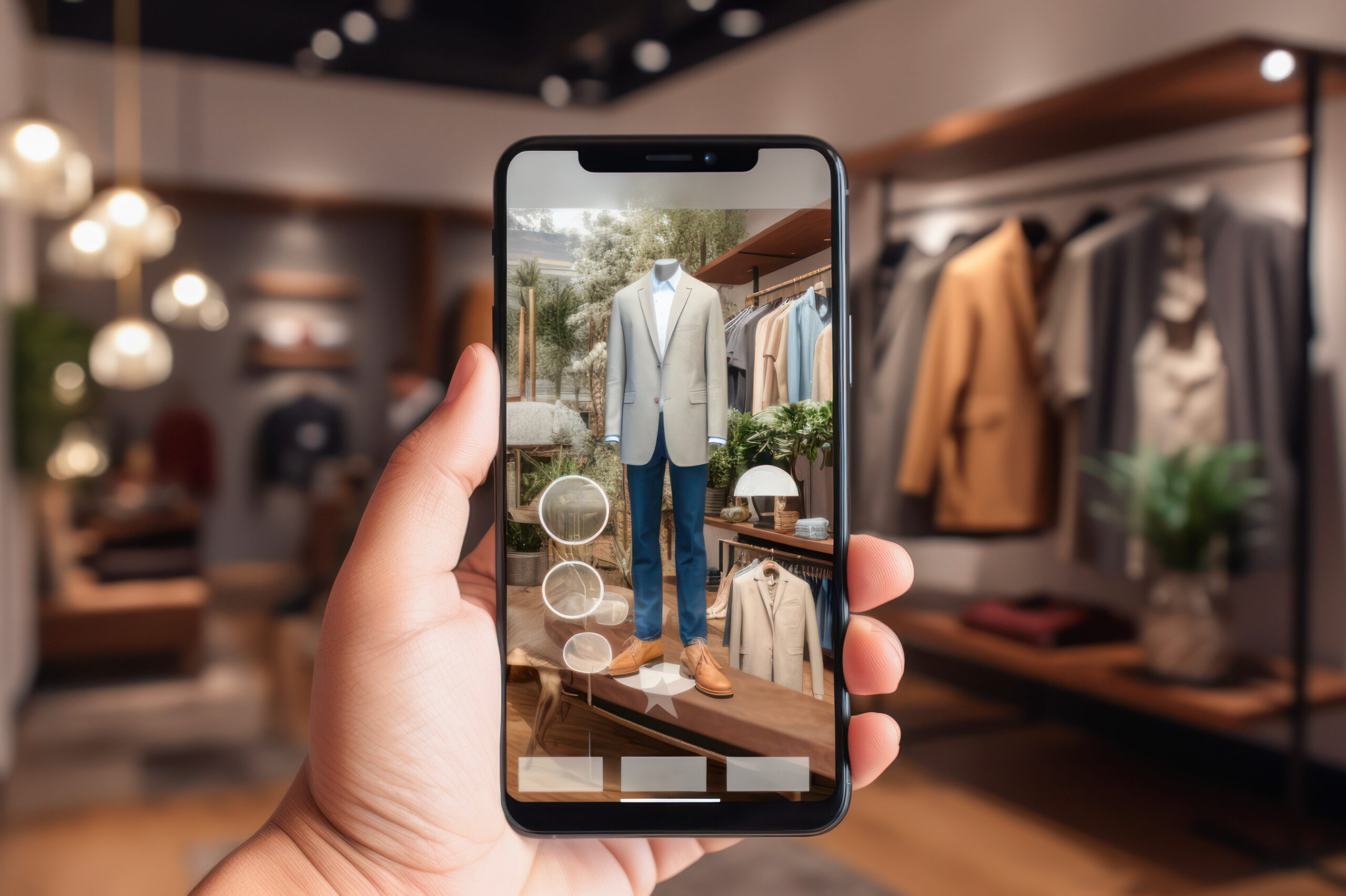
You walk into a store, and somehow it already knows what you need. Your virtual shopping assistant finds the perfect product in seconds. Behind the scenes, AI is orchestrating everything from inventory to advertising with superhuman precision. This isn’t science fiction. It’s retail in 2025, and the transformation is more dramatic than most people realize.
After analyzing recent corporate disclosures and industry research, I’ve uncovered some genuinely surprising ways artificial intelligence in retail is reshaping how we shop and how retailers operate. Some of these findings are counterintuitive, others are just staggeringly ambitious. Here are the seven most impactful takeaways.
Let’s start with the scale that should make everyone pay attention. Amazon’s conversational AI shopping assistant, Rufus, is projected to drive over $10 billion in incremental annualized sales. That’s not total sales, that’s additional revenue directly attributable to AI-powered conversations.
This represents a fundamental shift in e-commerce interface design. Instead of searching and filtering through endless product listings, customers are simply having conversations about what they need. The AI understands context, compares options, and guides purchase decisions in real time. When a single AI feature can generate that much revenue, it signals we’re past the experimental phase of AI in retail and into the era of AI as a primary revenue driver.
Here’s where things get genuinely counterintuitive. Industry analysts are discovering that AI shopping agents present a fascinating paradox for retailers. On one hand, these autonomous AI agents could drive greater purchase frequency and higher spending per customer. On the other hand, they might actually reduce the time shoppers spend browsing virtual stores.
Why does this matter? Less browsing time means fewer opportunities for product discovery, reduced effectiveness of personalization algorithms, diminished cross-selling opportunities, and potentially lower retail media advertising revenue. As one recent analysis noted:
“AI agents having potential to drive greater frequency & spend, but also reducing time spent in virtual stores, shifting search traffic, potentially curbing product discovery, personalization, & cross-selling.”
It’s the retail equivalent of a double-edged sword. Retailers are racing to implement AI agents while simultaneously trying to figure out how to preserve the serendipitous discovery that drives impulse purchases and brand exploration.
The data on customer satisfaction is striking. According to recent research, 80% of online shoppers report improved shopping experiences thanks to hyper-personalized recommendations powered by AI analyzing their browsing behavior and purchase history.
This isn’t just marginally better, it’s a transformation in how customers perceive online shopping. The AI doesn’t just suggest products you might like; it learns your preferences, anticipates your needs, and refines recommendations with every interaction. We’re moving from “customers who bought this also bought that” to systems that understand your personal style, budget constraints, and even life circumstances. When four out of five shoppers notice a meaningful improvement, that’s validation that AI-driven personalization in retail has crossed a critical threshold from novelty to necessity.
The operational efficiency gains are almost hard to believe. By combining AI-driven workflows with strategic outsourcing, retailers are reducing service costs by 30-45% while simultaneously improving scalability and customer satisfaction.
This isn’t about replacing humans with robots and hoping for the best. It’s about intelligently automating routine tasks like payment processing, basic customer service inquiries, and support workflows, freeing human employees to handle complex issues that require empathy and creative problem-solving. The AI handles the repetitive, the humans handle the exceptional. The cost savings are substantial enough to meaningfully impact profit margins in an industry notorious for thin margins.
Perhaps the most sci-fi capability currently being deployed is predictive intent analysis. This technology anticipates customer needs before frustration occurs, automatically triggering proactive solutions like shipment updates or guided assistance.
Imagine this scenario: The AI detects that your package might be delayed based on weather patterns and logistics data. Before you even think to check the tracking number, you receive a notification with an updated delivery estimate and a discount code for your inconvenience. Or you’re browsing a complex product category, and before you get confused, a chat window opens with precisely the information you need to make a decision.
This shifts the entire customer service paradigm from reactive to proactive. Instead of waiting for problems to become complaints, AI in enterprise retail identifies and resolves issues while they’re still invisible to the customer.
The retail media landscape is undergoing a revolution that goes far beyond better ad targeting. Generative AI is transforming retail media from simple sponsored product listings into immersive, AI-powered creative experiences with real-time optimization.
Here’s what’s happening: AI-driven creative optimization now represents 26% of marketers’ top testing priorities for retail media campaigns in 2025. The technology runs real-time A/B testing to determine optimal creative assets for specific consumers and automatically manages campaign performance. Early adopters of sophisticated retail media networks powered by AI are seeing 70% higher website traffic and 11% sales growth.
This isn’t just about showing the right ad to the right person. It’s about generating unique, personalized creative content for different audience segments, testing dozens of variations simultaneously, and continuously optimizing based on performance data. The future of advertising in retail is dynamic, personalized, and increasingly autonomous.
The project management and operational complexity of modern retail is staggering. Large retailers are simultaneously running hundreds of initiatives across merchandising, marketing, technology, and operations. Traditionally, coordinating this required armies of project managers and endless meetings.
AI resource allocation systems are now managing 150+ concurrent projects while reducing manual coordination overhead by 25%. The AI tracks dependencies, identifies bottlenecks, optimizes resource allocation, and flags risks before they become critical issues.
This isn’t just an incremental improvement in efficiency. It’s a fundamental change in how large, complex retail organizations can operate. With AI handling coordination and optimization, human leaders can focus on strategy and creativity rather than getting buried in spreadsheets and status meetings.
The retail industry is experiencing its most profound transformation since the advent of e-commerce. AI is not just optimizing existing processes; it’s creating entirely new capabilities, from conversational commerce generating billions in revenue to predictive systems that solve problems before customers encounter them.
Yet the most fascinating aspect might be the tensions and tradeoffs emerging. How will retailers balance the efficiency of AI agents with the revenue from browsing and discovery? Can personalization continue improving without crossing into surveillance? Will the cost savings from automation be passed to customers or captured as profit?
As these AI systems become more sophisticated and ubiquitous, one question looms larger: Are we designing AI to serve human shoppers, or are we redesigning the shopping experience to suit what AI does best?

